
Briefing on Rice and Rice Quality Laboratory
Overview of the Rice and Rice Quality Laboratory
Laboratory Photo
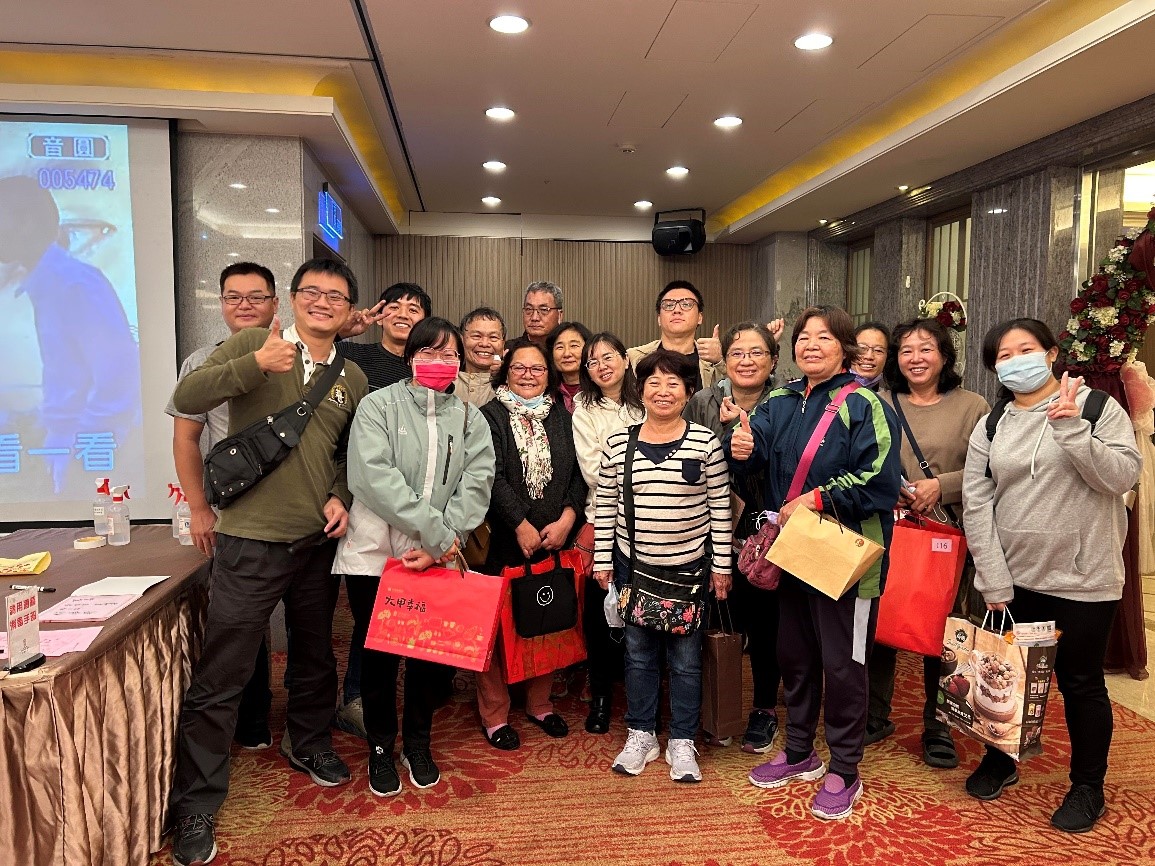
Research Goals
The laboratory develops new rice varieties and improves cultivation technologies to increase grain yield and quality while reducing production costs. It also develops low-carbon and environmentally friendly rice production technologies, strengthens research on rice quality, and supports the development of processed rice products. Rice varieties with superior grain quality, eating quality, and processing suitability are selected to support the development of diverse rice products with specific processing characteristics.
Personnel
The laboratory has 2 researchers, including 1 researcher with a doctoral degree and 1 researcher with a master’s degree, as well as 1 technician, 2 contracted technicians, and 8 temporary staff members.
Facilities and Equipment
The laboratory is equipped with 2 two-row rice combine harvesters, 1 rice transplanter, 4 laboratory rice mills, 1 broken-rice sorter, 1 bulk-density meter, 2 moisture meters, 1 sample grinder, 1 seed counter, 1 whiteness meter, 1 texture analyzer, 1 rice tensile and compression tester, 1 integrated rice-eating-quality evaluation system comprising a freshness meter, cooked-rice taste analyzer, and hardness–viscosity meter, 1 grain taste analyzer, 1 automated amylose analyzer, 1 rapid visco analyzer, 1 food palatability analyzer, and 1 near-infrared analyzer.
Ongoing Research
- Breeding rice varieties with a low percentage of chalky grains and favorable eating quality in response to climate change.
- Development of low-carbon rice production technologies and life-cycle assessment of the carbon footprint of rice production.
- Development of yield-stable intermittent irrigation technologies that adjust irrigation timing and water depth according to rice growth stages while reducing field greenhouse gas emissions.
- Development of cultivation practices for high-temperature adaptation, including nitrogen application during the grain-filling stage to improve grain filling and reduce chalkiness.
- Establishment of winter wheat–summer rice cropping systems, including variety development, cultivation management, and wet direct-seeding technologies.
- Development of intelligent and precision technologies for rice production, including smart irrigation, unmanned aerial vehicle applications, field sensing, and AI-assisted crop management.
- Establishment of rice genetic databases and molecular marker-assisted breeding technologies related to rice quality and resistance to diseases and insect pests.
- Investigation of changes in rice quality under warming and environmental stress, together with the development of corresponding management strategies.
- Modernization of rice sensory evaluation based on relevant ISO and national standards for testing environments, sample preparation, evaluation procedures, and panelist training.
- Development of high-throughput rice quality inspection technologies using artificial intelligence and deep-learning models to identify rice-grain chalkiness and evaluate grain appearance.
Future Research Prospects
- Breeding diversified rice varieties and environmentally friendly varieties with resistance to major diseases and insect pests.
- Development of smart agricultural technologies for net-zero emissions, greenhouse gas mitigation, and enhancement of agricultural carbon sinks.
- Development of rice breeding and cultivation technologies adapted to climate change and high-temperature conditions.
- Improvement of food self-sufficiency through the establishment of environmentally sustainable regional rice and upland-crop rotation systems.
- Establishment of precision breeding systems integrating genetic databases, molecular markers, phenotypic evaluation, and rice quality data.
- Integration of artificial intelligence, image analysis, and automated instruments to improve the efficiency, objectivity, and traceability of rice quality inspection.
Recent Research Achievements
The laboratory conducts research on rice breeding, cultivation technology, low-carbon production, and rice quality. Rice varieties developed by the laboratory include japonica, indica, and glutinous rice varieties for table consumption and food processing. Representative varieties include ‘Taichung 192’ (TC192), ‘Taichung 194’ (TC194), ‘Taichung Sen 197’ (TCS197), ‘Taichung Sen 198’ (TCS198), ‘Taichung Sen 199’ (TCS199), ‘Taichung Sen Waxy 2’ (TCSW2), and ‘Taichung 200’ (TC200).
In cultivation research, the laboratory has developed labor-saving, efficient, and intelligent management technologies, including wet and dry direct seeding, unmanned aerial vehicle seeding, smart irrigation, and precision crop management. Research on alternate wetting and drying and intermittent irrigation has shown that irrigation timing and water depth can be adjusted to reduce greenhouse gas emissions while maintaining grain yield at a level that does not differ significantly from conventional irrigation.
High-temperature adaptation studies have examined the application of nitrogen during the grain-filling stage to improve grain filling and reduce the formation of chalkiness. These practices provide a basis for maintaining rice appearance quality under increasingly frequent high-temperature conditions.
In rice quality research, the laboratory has established sensory evaluation procedures, physicochemical analysis methods, instrumental eating-quality evaluation systems, and databases covering grain appearance, starch properties, glycemic index, and genes related to starch biosynthesis. Relevant ISO and national sensory evaluation standards have also been incorporated to improve the consistency and reliability of cooked-rice quality assessment.
The laboratory is also developing high-throughput rice quality inspection technologies using artificial intelligence and deep-learning-based image analysis. Annotated rice-grain images are used to train models for chalkiness recognition and automated assessment of grain appearance, with the aim of improving inspection efficiency, objectivity, and data consistency.